

E-News - April 2026
Spotlight on Alliance Trials
Alliance Study Shows New Promise Against Locally Advanced Lung Cancer
Immunotherapy combined with chemotherapy before surgery improves outcomes for patients with stage III non-small cell lung cancers
April 21 – New findings of an Alliance Foundation Trials study show combining immunotherapy and chemotherapy before surgery improves outcomes for some patients with locally advanced non-small cell lung cancer, according to the results of AFT-46/CHIO3 published in Lung Cancer.
 “These results are exciting because they give us a new, successful blueprint for treating stage III lung cancer that has traditionally been difficult to manage,” said Linda W. Martin, MD, MPH, lead investigator, primary author of the study and a Professor of Thoracic Surgery at the University of Virginia. “This study shows that combining chemotherapy with immunotherapy can help more patients with lung cancer involving mediastinal nodes undergo complete cancer resection, improving their long‑term health.”
Non-small cell lung cancer (NSCLC) that has spread to lymph nodes in the center of the chest (called N2+) can be difficult to treat. Because the disease can grow into critical structures in the chest, it is often not possible to remove it surgically. In the past, chemotherapy with or without or radiation was used to attempt to shrink the tumor, but it was met with limited success.
However, this study shows that combining chemotherapy with immunotherapy can help patients with this type of locally advanced lung cancer have their tumor completely removed with surgery, improving their long‑term outcomes.
Between 2021 and 2023, researchers enrolled individuals with stage III, N2+ NSCLC at nine institutions in Illinois, Massachusetts, New York, Tennessee and Virginia. Patients received chemotherapy together with an immunotherapy drug called durvalumab before surgery, with the goal of reducing the extent of the cancer, to increase the chances it can be removed surgically. After surgery, patients continued to receive durvalumab for one year.
The results showed that 81% of patients in the trial were able to have surgery after receiving the combined treatment. Of those who had surgery, nearly three‑quarters (73%) had their cancer cleared from the affected lymph nodes, which is much better than what is usually seen with chemotherapy alone. About 30% of patients had no active cancer cells in the removed tissue (called a pathologic complete response).
Ninety-three per cent of patients who had surgery had their tumors fully removed with clean margins. After about a year and a half of follow‑up, all patients who had their lung cancer resected were still alive.
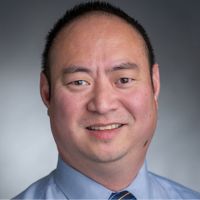 “To our knowledge, this is the first trial specifically focused lymph node clearance in this population, and the results look very promising,” said David Kozono, MD, PhD, Director of the Alliance Foundation, and Director of Thoracic Radiation Oncology at Mass General Brigham Cancer Center. “The high rates of lymph node clearance and successful surgical resection confirm this approach as an important option for patients with this stage of lung cancer.”
Researchers will continue to follow the participants to monitor for cancer recurrence and side effects. As long-term results become available, it will help researchers learn if lymph node clearance might be useful as an early signal of improved survival.
This study was supported by grants from the Alliance Foundation Trials, a research organization within the Alliance for Clinical Trials in Oncology Foundation, in agreement with AstraZeneca, which provided funding and the study drug durvalumab.
###
References: Lung Cancer-CHIO3: CHemotherapy combined with immune checkpoint inhibitor for operable stage IIIA/B (N2) non-small cell lung cancer (AFT-46)
AFT-46: CHIO3 Trial: CHemotherapy combined with immune checkpoint inhibitor for operable stage IIIA/B non-small cell lung cancer
Alliance Foundation Trials, LLC, is a research organization that develops and conducts cancer clinical trials, working closely with the Alliance for Clinical Trials in Oncology scientific investigators and institutional member network, research collaborators, and non-NCI funding sources. AFT seeks to fulfill the vision of the Alliance for Clinical Trials in Oncology to reduce the impact of cancer on people by uniting a broad community of scientists and clinicians from many disciplines committed to discovering, validating and disseminating effective strategies for the prevention and treatment of cancer. Current AFT studies are funded by industry collaborators and the Patient-Centered Outcomes Research Institute (PCORI). Learn more at allianceforclinicaltrialsinoncology.org.


