Bringing expertise together to advance cancer research
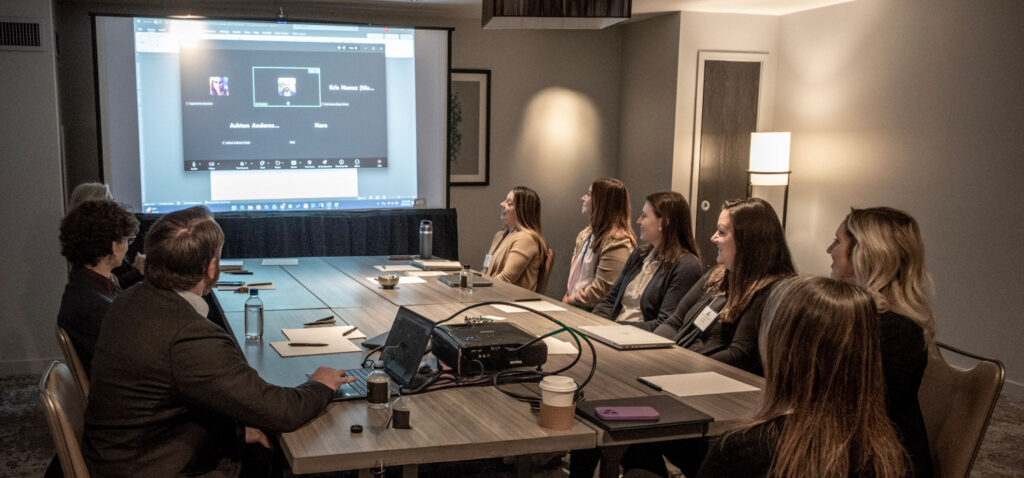
Alliance committees serve as primary forums for scientific collaboration, where investigators review concepts, refine study designs, and guide clinical trials from early development through activation.
Alliance committees draw on expertise across disciplines to shape the organization’s research agenda and advance collaborative cancer research. Scientific committees identify important research questions, develop and evaluate trial concepts, and provide scientific guidance throughout study development and conduct. Administrative committees support the policise, oversight, and infrastructure needed to carry out this work. Committees are organized within the Alliance’s Programs and the Alliance Operations Center, creating an integrated structure that connects scientific expertise with the operational support needed to bring research from concept to clinical trial.
Administrative committees provide the governance, oversight, and operational leadership that support the integrity, accountability, and quality of Alliance research. Members help shape organizational policies, oversee quality and safety, support membership and publications, and guide the processes that support high-quality clinical research.
- Audit
- Conflict of Interest
- Constitution and Bylaws
- Data and Safety Monitoring Board (DSMB)
- Ethics
- Institutional Performance Evaluation (IPEC)
- Membership
- Pharmacy
- Publications
The Alliance Cancer Control Program (CCP) seeks to improve the cancer experience through research in prevention, survivorship, symptoms, and care delivery. Committees examine the many factors that shape cancer risk, treatment experiences, outcomes, and quality of life. Members contribute to research that extends beyond treating cancer to prevent cancer, improve care delivery, reduce barriers to care, manage symptoms and side effects, and address the needs of patients and communities.
- Cancer Care Delivery Research
- Cancer in the Older Adult
- Community Oncology
- Health Outcomes
- Populations, Education, Access, and Research (PEAR)
- Prevention
- Symptom Intervention
The Alliance Central Protocol Operations Program oversees the development, maintenance, and distribution of study protocols generated by Alliance scientific committees. The program provides the operational infrastructure needed to move clinical trial concepts from development through activation and study completion.
- Data Sharing
- Study Concept Review Committee
Alliance disease committees advance research within a specific cancer type by identify research priorities, developing clinical trial concepts, evaluating emerging evidence, and guiding studies from concept through publication. Members collaborate with experts in their field to shape research that can improve care for patients with specific cancers while collaborating to the future of cancer treatment.
- Breast
- Gastrointestinal (GI)
- Genitourinary (GU)
- Leukemia
- Lymphoma
- Myeloma
- Neuro-oncology
- Respiratory
- Sarcoma
Modality committees apply cross-cutting expertise across multiple cancer types, shaping research in areas such as immuno-oncology and clinical research operations. Members contribute specialized knowledge to inform trial design, incorporate multidisciplinary perspectives, and support patient-centered research across the broader oncology research landscape.
- Clinical Research Professionals (CRP)
- Experimental Therapeutics and Rare Tumor
- Immuno-Oncology
- Oncology Nursing
- Patient Alliance
The Alliance Procedure-based Therapy Program (PBTP) develops and evaluates procedure-based approaches and technologies that can enhance multidisciplinary cancer care. Committee members provide the technical and scientific expertise needed to design and conduct rigorous clinical trials of innovative procedures and devices.
- Imaging
- Radiation Oncology
- Surgery
The Alliance Translational Research Program (TRP) connects molecular science with clinical research to support more precise approaches to cancer prevention, diagnosis, and treatment. Members collaborate across disciplines with opportunities to access Alliance biospecimen resources and data, and help shape studies that translate promising scientific discoveries into meaningful applications for patients.
- Biorepository
- Pathology and Laboratory Medicine
- Pharmacogenomics and Population Pharmacology
- Translational Bioinformatics
How to join a committee
Yes. You must need to be an Alliance individual member or work at an approved Alliance member institution to participate on an Alliance committee.
Time commitment varies by committee and may depend on the scope of the committee’s work. As you explore committees and connect with current members, ask about the expected time commitment and what participation typically involves.
Alliance committee chairs select the individual members of their committees. If you are interested in joining a specific committee, contact the committee chair directly to express your interest. Chairs also periodically announce when they are seeking new members. Watch for announcements in Alliance news and e-mail updates and follow the Alliance on social media, including BlueSky, Facebook, Instagram, LinkedIn, Threads, and Twitter (X), for opportunities to get involved.